
Guides
Guides for FPV pilots
Practical answers from our training team. We check regulations against ULC and EASA sources.
-
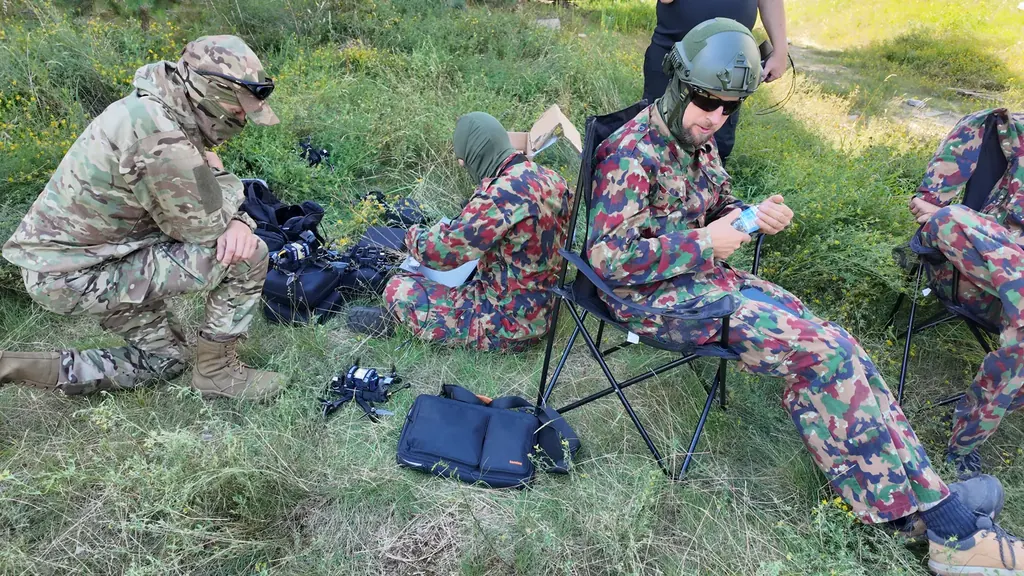
A plan for your first 20 hours in an FPV simulator
Split 20 simulator hours into six blocks – from setup and hovering to courses and a readiness test. Short sessions, acro mode, rates as on your drone. Power Technology training team 3 October 2026 -
A2 vs STS-01 – how they differ and which one to choose
A2 lets you fly a class C2 drone closer to people in the open category; STS-01 covers the specific category with a C5 drone. Differences and choice. Power Technology training team 3 October 2026 -
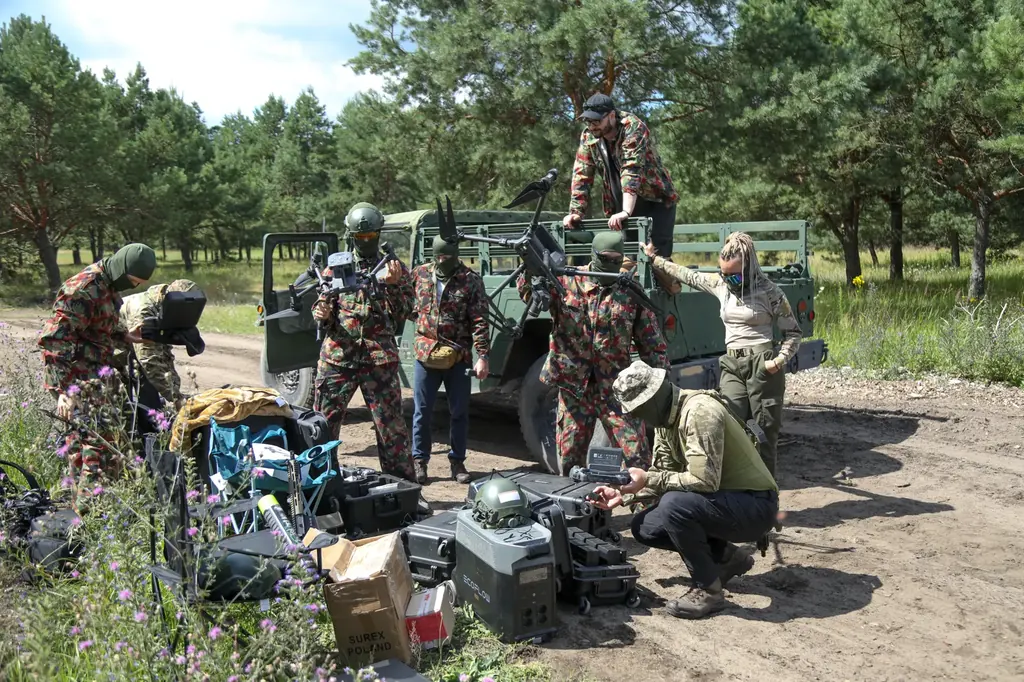
FPV pre-flight checklist – equipment, rules and site
Before an FPV flight, check qualifications and zones, site and weather, drone and link, then your observer and video channels. A full step-by-step list. Power Technology training team 3 October 2026 -
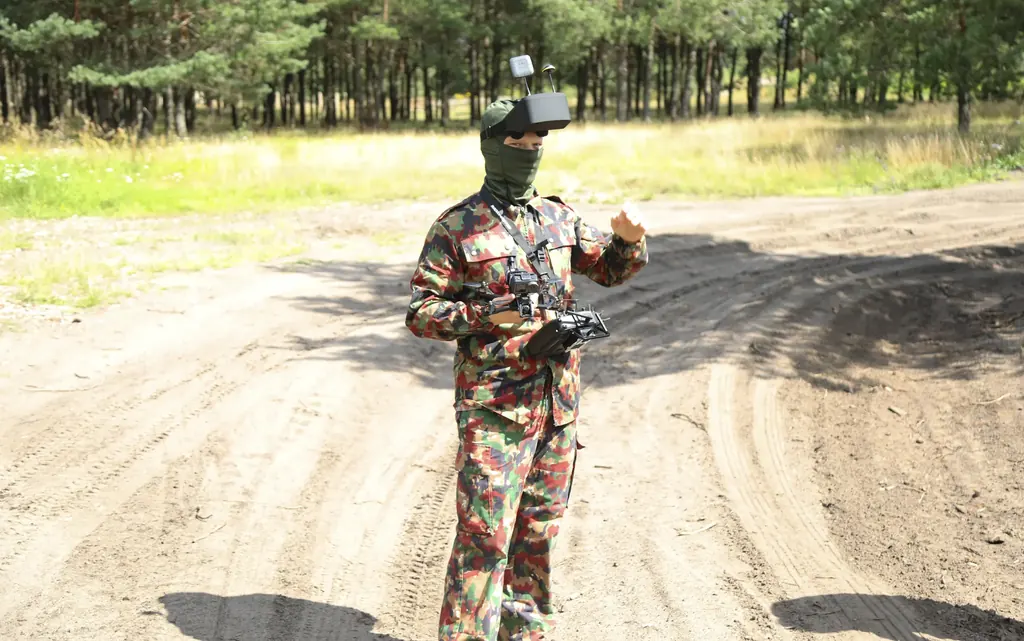
Analogue or digital FPV goggles – which to choose
Digital FPV systems give a much sharper image; analogue offers simplicity, low weight and constant latency. Analogue, DJI, Walksnail and HDZero compared. Power Technology training team 3 October 2026 -
LiPo batteries in the field – charging, flying and transport
Charge LiPos to 4.20 V per cell, end the flight at approx. 3.5 V under load and store at 3.80–3.85 V. Rules for charging in the field and transport. Power Technology training team 3 October 2026 -
First flights in FPV goggles – preparation and the flight itself
Make your first FPV goggle flight after simulator practice, with an observer, low over an empty field. How to prepare the drone, goggles, site and flight. Power Technology training team 3 October 2026 -
ExpressLRS and failsafe in Betaflight – setup
On an ExpressLRS drone you set failsafe in Betaflight. Stages 1 and 2, choosing Drop, Land or GPS Rescue, packet rate and a props-off test explained. Power Technology training team 3 October 2026 -
Soldering and servicing an FPV drone in the field
Crash damage to propellers, a motor wire, an XT60 plug or an antenna can be fixed in the field with an iron, flux, a multimeter and a smoke stopper. Power Technology training team 3 October 2026 -
FPV drone rules in Poland and the EU in 2026
A legal FPV flight in Poland needs operator registration, A1/A3 competency, insurance from 250 g, a DroneTower check-in and an observer. Rules as of 2026. Power Technology training team 3 October 2026 -
Choosing your first FPV kit – radio, goggles and drone
A first FPV kit is an ExpressLRS radio, a simulator, goggles and a light BNF drone under 250 g. How to choose components that work together. Power Technology training team 3 October 2026 -
Flying FPV in winter – batteries, equipment and safety
In winter, FPV flights are shorter and more careful – frost weakens LiPos and snow harms electronics. How to warm packs, protect kit and fly safely. Power Technology training team 3 October 2026 -

The most common mistakes made by beginner FPV pilots
The most common FPV mistakes: skipping the simulator, an untested failsafe, no observer, too powerful a first drone and neglected LiPos. How to avoid them. Power Technology training team 3 October 2026